Getting to Know Biomedical Science and Its Career Prospects

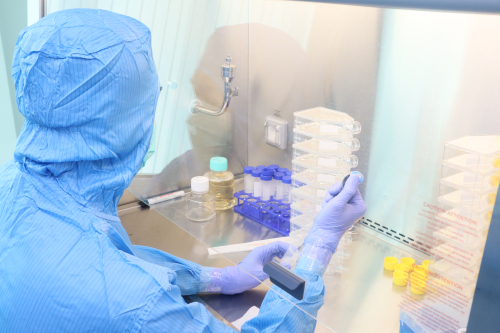
Biomedical Science is a study program with a wide range of career opportunities. Graduates of Biomedical Science can work in hospitals, pharmaceutical companies, research institutions, and laboratories.
However, although both are related to healthcare, Biomedical Science is different from Medicine. Graduating from a Biomedical Science program does not mean that you become a doctor. The curriculum and educational pathway are different.
What Is Biomedical Science?
As the name suggests, Biomedical Science is a study program that combines biology, medicine, and technology. In simple terms, this field connects biological processes with knowledge of how the human body works and applies it to the development of disease diagnosis, treatment, and prevention.
Although they may sound similar, Biomedical Science is different from Medicine and pure Biology. Medicine focuses on training students to become doctors who treat patients clinically, while Biology has a broader scope because it studies living organisms and their life processes.
Biomedical Science lies at the intersection of these fields, with an additional focus on technology and engineering. Graduates are prepared to pursue careers in research, laboratories, and healthcare innovation rather than working directly with patients as medical professionals.
What Do You Study in Biomedical Science?
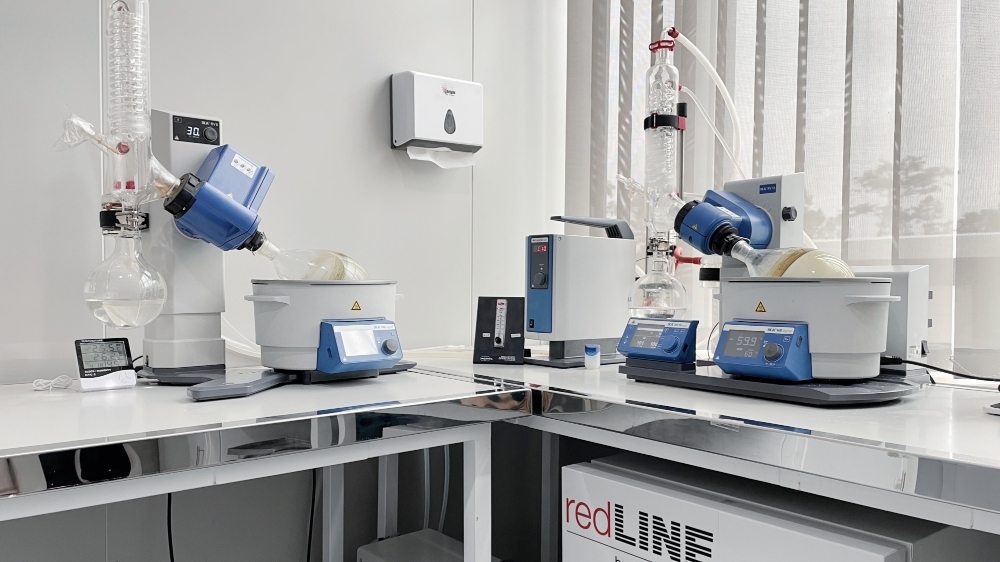
During their studies, Biomedical Science students learn a combination of scientific theory and laboratory practice. The subjects may cover various areas of biology and health science, especially those related to body mechanisms, diseases, cells, molecules, and the development of biomedical technology.
This learning approach helps students understand not only scientific concepts but also how to use equipment and methods commonly applied in research and the healthcare industry. In other words, the Biomedical Science curriculum is designed to prepare graduates to work in science- and technology-based environments. Some of the areas studied in Biomedical Science include:
- Cell and Molecular Biology: Students learn how cells function, develop, communicate, and change.
- Genetics: Students learn how genetic information is inherited and how changes in genetic material can be related to certain health conditions.
- Disease Science: Students learn about how diseases develop from a biological perspective.
- Biomedical Technology: Information technology, artificial intelligence, data analysis, and various laboratory technologies can be used to support research and innovation in healthcare.
- Laboratory Practice: Students learn how to apply theory through experiments, observations, testing, and analysis.
Skills Needed in Biomedical Science
Before choosing Biomedical Science, there are several skills and interests that you may want to consider. These include:
- Interest in science and research: Most academic activities involve experiments and scientific analysis.
- Accuracy and patience: Laboratory work requires a high level of accuracy, from measuring reagents to recording experimental results.
- Analytical and logical thinking: These skills are needed to interpret research data and draw valid conclusions.
- Interest in technology: Modern biomedical research makes extensive use of advanced equipment and software.
- Ability to work systematically: Scientific research usually follows structured and measurable stages.
- Communication skills: Students need to be able to explain research findings to lecturers, fellow researchers, and other relevant parties.
Career Prospects for Biomedical Science Graduates
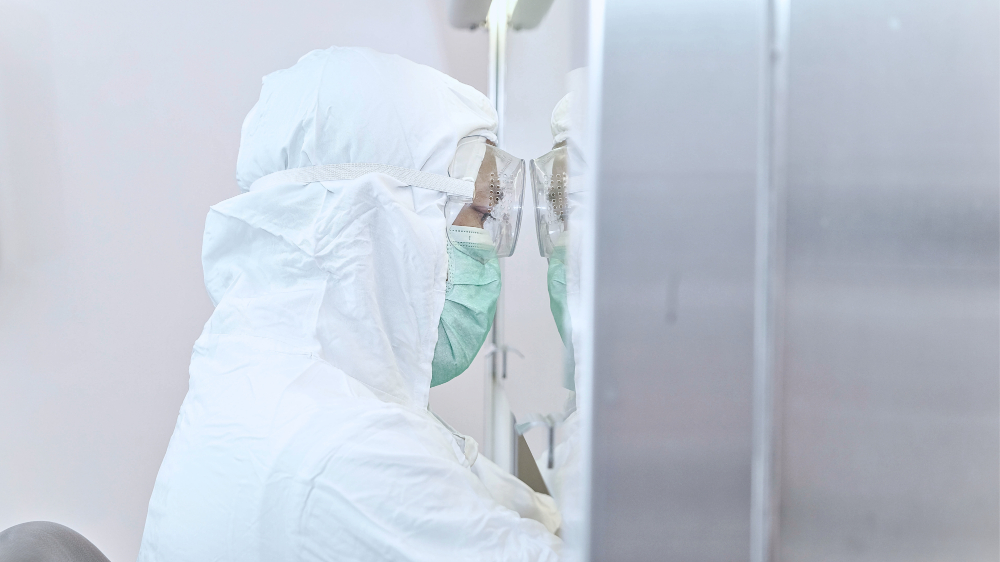
If you are wondering what you can do with a Biomedical Science degree, there are many career options to explore. These include research, the healthcare industry, product development, testing, quality management, and health-related technology.
In addition, more research institutions, hospitals, and pharmaceutical companies need professionals with a biomedical science background to support healthcare innovation. This means that career opportunities for Biomedical Science graduates are not only broad but also relevant to the future needs of the industry. Some examples of Biomedical Science prospects include:
1. Quality Assurance
The healthcare industry needs quality control processes to ensure that products and processes meet established standards. Biomedical Science graduates can develop the skills needed to work in quality assurance, particularly in industries related to biomedical products and processes.
2. Laboratory Analyst
A Laboratory Analyst performs tests and analyzes samples using appropriate laboratory methods and equipment. The job also involves recording results, processing data, and maintaining documentation. In an industrial environment, laboratory analysts must follow the company's standard operating procedures and quality standards.
3. R&D Staff
R&D (Research and Development) Staff work on the research and development of products or processes. In the healthcare and biomedical industries, R&D staff may be involved in developing or improving products, conducting experiments, testing materials or formulations, analyzing test results, and preparing research and development documentation.
For Biomedical Science graduates who are interested in applying scientific knowledge to develop new products or innovations, R&D can be a relevant career option.
4. Research Scientist
Biomedical Science graduates can also pursue a career as a Research Scientist. This position focuses on research activities aimed at generating new knowledge, data, or solutions in the biomedical field.
The responsibilities may include designing research studies, conducting experiments, analyzing data, evaluating results, and preparing scientific reports or publications.
5. Research Assistant
A Research Assistant is another relevant career option for Biomedical Science graduates who are interested in research. In this role, you may support researchers in various research activities, from preparing materials and equipment to conducting laboratory procedures, collecting data, recording experimental results, and helping analyze data.
Research Assistants can work at universities, research institutions, hospitals, laboratories, and companies involved in research and development. This position can also provide valuable early experience for graduates who want to pursue a career as a researcher or continue their education at the master's or doctoral level.
6. Regenerative Medicine Researcher
Regenerative medicine is one of the fields that Biomedical Science graduates can explore, especially those interested in research on cells, tissues, and approaches that support biological regeneration or the restoration of biological functions.
With the development of research in stem cells, cancer, genetics, and biomedical technology, students can build skills that are relevant to these areas of research.
7. Clinical Research Associate
A Clinical Research Associate (CRA) is involved in conducting and monitoring clinical research. The role includes ensuring that clinical research activities are carried out according to established protocols, procedures, and regulations.
This career requires documentation, communication, accuracy, and an understanding of the research process. For graduates who are interested in connecting biomedical science with research involving humans or the development of healthcare interventions, clinical research can be one possible career path.
8. Biomedical Laboratory Staff
Biomedical Laboratory Staff work in laboratory operations related to biomedical science. Their responsibilities may include preparing samples and equipment, assisting with testing or experimental procedures, maintaining laboratory conditions and cleanliness, recording results, and ensuring that work procedures follow applicable standards.
This job requires accuracy and an understanding of laboratory procedures. Therefore, practical laboratory experience during university can be an important foundation for Biomedical Science students.
Conclusion
If you are interested in studying Biomedical Science in Indonesia, Agung Putra University (APU) in Gunungpati, Semarang offers a Biomedical Science study program that can be considered. One of APU's advantages is its connection to the SCCR (Stem Cell and Cancer Research) Indonesia research ecosystem, a research center focused on the development of stem cell therapies and cancer research.
Through this ecosystem, APU Biomedical Science students have the opportunity to gain direct exposure to modern biomedical research through laboratory facilities that support practical learning and research activities.
APU also promotes a research-oriented campus environment, where students not only learn theory but are also encouraged to take an active role in research and innovation during their studies. The combination of a relevant curriculum, access to a research ecosystem, and adequate laboratory facilities makes APU an option for students who aspire to build a career in biomedical science.
To learn more about this study program, visit the Biomedical Science study program page and find out about the admission process on the APU new student admission page.