Getting to Know Biotechnology: Courses and Career Opportunities

Did you know that tempeh and tape are products of biotechnology? This is one reason why more students are becoming interested in studying Biotechnology. Besides being an important field for the future, Biotechnology also offers a wide range of career opportunities.
Biotechnology courses cover scientific subjects that are related to what students learn at school. However, university students spend more time conducting experiments, working in laboratories, and carrying out research. Biotechnology graduates can work in various industries, including healthcare, food production, agriculture, and environmental management.
Are you curious about studying Biotechnology? Read this guide to learn about Biotechnology courses, universities offering Biotechnology degrees, and career opportunities for graduates.
What Is Biotechnology?
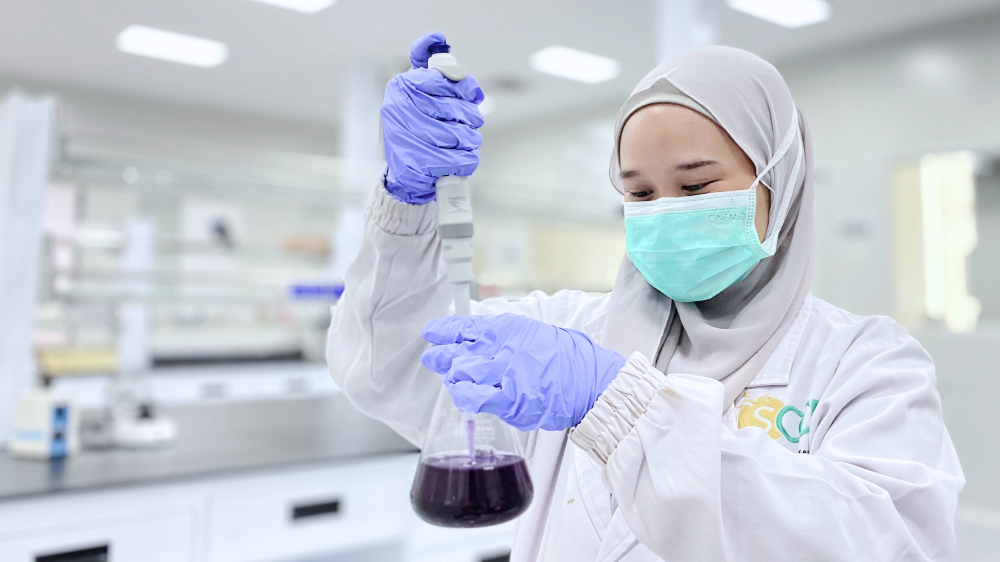
In simple terms, Biotechnology combines biology and technology. It uses living organisms, cells, and biological substances such as enzymes to develop useful products and processes for humans.
Biotechnology does not always require advanced laboratory equipment. This field has been used for centuries and is part of everyday life. One example is tempeh, which is made through fermentation with the help of microorganisms.
Biotechnology can support many industries, including food production, healthcare, agriculture, and environmental management. Its applications can generally be divided into two categories.
1. Conventional Biotechnology
Conventional biotechnology uses natural biological processes to produce useful products. Many of these processes involve fermentation with the help of microorganisms. Examples include the production of tempeh, yogurt, bread, and other fermented foods.
2. Modern Biotechnology
Modern biotechnology uses advanced techniques and technologies to study or modify biological processes at the cellular and molecular levels. Examples include genetic engineering, tissue culture, and DNA technology. These techniques are used in scientific research and various industries, including healthcare, agriculture, and pharmaceuticals.
What Do You Learn in a Biotechnology Degree?
As mentioned earlier, Biotechnology students learn the fundamentals of natural sciences and how to apply them using technology. Their studies may include lectures, laboratory practice, data analysis, research projects, and scientific report writing.
Here are some common Biotechnology courses and subjects you may encounter. The exact curriculum depends on the university.
- Basic Biology: Learn about living organisms, cell structure and function, and biological processes that provide the foundation for further Biotechnology studies.
- Chemistry and Biochemistry: Chemistry explains the properties and reactions of substances, while Biochemistry focuses on chemical processes within living organisms.
- Microbiology: Study microorganisms such as bacteria, fungi, and viruses, including their benefits and potential risks.
- Molecular Biology and Genetics: Learn about DNA, RNA, genes, and how genetic traits are passed from one generation to another.
- Bioprocessing and Fermentation: Explore how biological processes are used to produce products on a larger scale.
- Bioinformatics: Combine biology and computing to process and analyze biological data.
- Genetic Engineering: Learn how genetic material can be modified to produce specific traits or useful products.
- Research Methodology: Learn how to develop research questions, select methods, collect and analyze data, and draw conclusions based on scientific evidence.
Skills Needed to Study Biotechnology
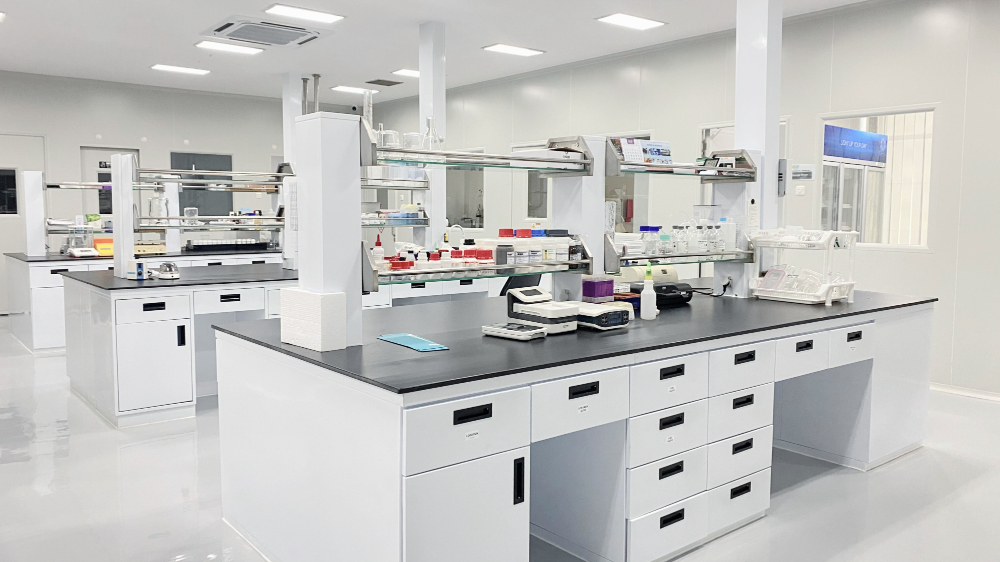
You do not need to master every skill before starting a Biotechnology degree. Most of these abilities can be developed through lectures, laboratory practice, and research projects. Here are some important skills for Biotechnology students:
1. Attention to Detail and Patience
Laboratory work requires accuracy when measuring materials, collecting samples, using equipment, and recording experimental results. Even small mistakes can affect research findings, so careful and patient work is essential.
2. Analytical and Critical Thinking
You need to understand data, compare experimental results, and investigate why an experiment may produce unexpected findings. These skills also help you develop solutions based on scientific evidence.
3. Basic Knowledge of Biology and Chemistry
Biology and Chemistry are fundamental to many Biotechnology courses. Understanding cells, microorganisms, genetics, and chemical reactions can make it easier to follow more advanced subjects. If you are not confident in these areas yet, you can strengthen your knowledge gradually during your studies.
4. Ability to Read Scientific Papers
Many scientific papers are written in English, so basic English reading skills are useful. You should also learn how to understand research methods and keep up with developments in science and technology.
5. Teamwork
Research projects often involve people with different skills and areas of expertise. You need to communicate clearly, discuss observations, prepare reports, and share responsibilities with other team members.
6. Data and Technology Literacy
Biotechnology students often use modern laboratory equipment and data analysis software. Knowing how to organize data, create graphs, and prepare reports is therefore valuable. In some fields, computing skills are also important for analyzing biological data through bioinformatics.
Career Opportunities for Biotechnology Graduates
Biotechnology graduates can explore career opportunities in healthcare, pharmaceuticals, food production, agriculture, and environmental management. Here are some potential career paths after graduation:
- Researcher: Conduct research at research institutions, universities, or companies to discover new products and develop solutions.
- Laboratory Analyst: Test and analyze samples in clinical laboratories, industrial laboratories, or testing facilities.
- Research and Development (R&D) Specialist: Help develop products, conduct experiments, evaluate materials, and improve product quality.
- Quality Control (QC) Specialist: Check the quality of raw materials, production processes, and finished products.
- Quality Assurance (QA) Specialist: Manage documentation, check compliance with standards, and evaluate production processes.
- Product Development Specialist: Help create new products, such as fermented foods, supplements, or health-related materials.
- Bioinformatician: Analyze biological data, including genetic data, using computer-based tools.
- Environmental Staff or Specialist: Apply biological solutions to waste treatment and environmental protection.
- Entrepreneur: Develop a business involving fermented products, biological materials, or certain testing services, depending on the relevant qualifications and regulations.
Where Can You Study Biotechnology in Indonesia?
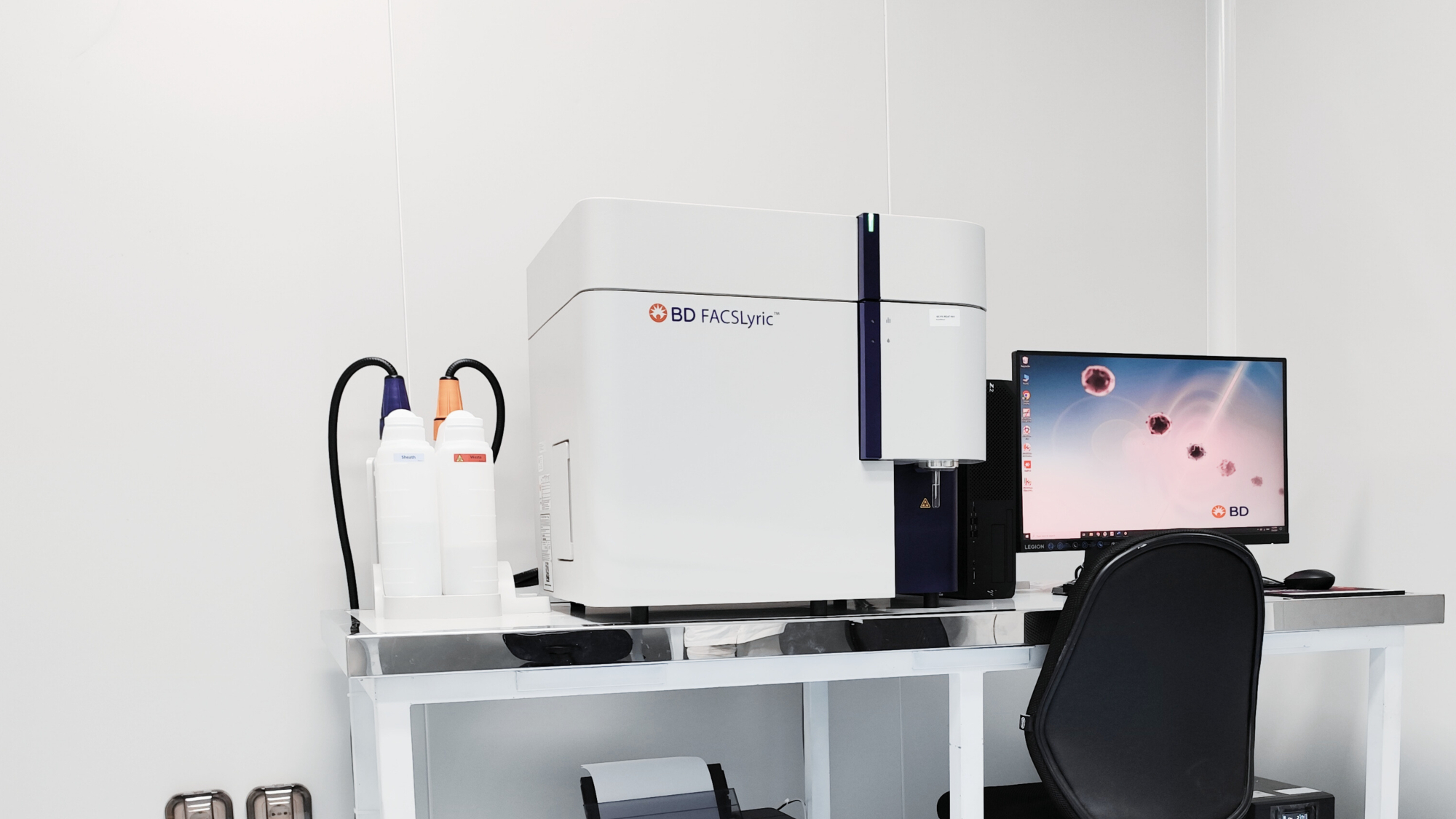
After learning about Biotechnology courses, required skills, and career opportunities, the next step is to find a university offering an undergraduate Biotechnology degree.
In Indonesia, Biotechnology programs are available at both public and private universities. Here are two universities to consider:
1. Agung Putra University (APU)
Agung Putra University (APU) is a private university offering an undergraduate Biotechnology program. It is located on Jalan Nongkosawit, Gunungpati, Semarang, Indonesia.
The program aims to achieve international recognition through green technology innovation and cell engineering development. Its curriculum combines molecular science, bioinformatics, and modern laboratory practice to prepare students for opportunities in healthcare, food production, industry, and environmental management.
For prospective students, this program may be worth exploring if you are interested in combining scientific knowledge with laboratory practice and technological innovation.
Also Read: Getting to Know Agung Putra University (APU), a Futuristic Campus in Gunungpati, Semarang
2. Universitas Brawijaya (UB)
Universitas Brawijaya is a public university in Malang, Indonesia, that offers an undergraduate Biotechnology program through its Faculty of Agricultural Technology.
It may be an option for students who want to study Biotechnology at a public university. Admission may be available through the applicable national selection pathways, such as SNBP and SNBT, or through the university's independent admission route, depending on the rules for the admission year.
Competition can be strong for some admission pathways, so prospective students should prepare carefully and check the latest official admission information.
Conclusion
Biotechnology is an interesting field for students who want to study science and understand how scientific knowledge can be applied to develop new products and innovations. It offers opportunities to contribute to research and address challenges in healthcare, food production, agriculture, and environmental management.
If you want to study Biotechnology, Agung Putra University (APU) is a private university worth considering. Learn more about Agung Putra University and explore the Biotechnology program at APU to discover more about the program profile, curriculum, learning facilities, and opportunities to develop your skills and research experience.