5 Universities with Biomedical Science Programs in Indonesia


Biomedical Science is becoming a more popular study choice among prospective students. The good news is that you do not have to study abroad. Universities with biomedical science programs in Indonesia are also of high quality.
These universities offer Biomedical Science programs that focus on laboratory research and the development of health technology. Graduates can build careers in research, the pharmaceutical industry, biotechnology, and many other health fields.
Are you wondering which universities offer Biomedical Science in Indonesia? Check out these campus options below!
Universities with Biomedical Science Programs

Here are our recommendations for universities with Biomedical Science programs, from public universities to private universities:
1. Agung Putra University (APU)
Agung Putra University (APU) is a private university offering a Biomedical Science program. The program is designed for students who want to explore biomedical research and healthcare innovation.
Through its connection with the SCCR Indonesia ecosystem, APU provides opportunities for students to participate in experiments and laboratory practical sessions at SCCR's facilities. The university also organizes international collaborations and public lectures featuring experienced professionals, giving students broader perspectives and insights into the professional world.
APU's curriculum combines molecular biology, information technology, and sustainable industrial engineering to address global challenges. Graduates may pursue careers in biomedical research, clinical development, and healthcare innovation.
Potential career paths include research scientists, clinical research associates, biomedical industry developers, and quality assurance professionals.
Read also: Getting to Know Biomedical Science and Its Career Prospects
2. Universitas Syedza Saintika
Universitas Syedza Saintika is a private university located in Padang, West Sumatra. The university focuses on health-related education and may be an option for students interested in studying Biomedical Science in Sumatra.
One of the program's academic goals is to encourage research in biomedical science, particularly Herbal Biomedicine. These activities involve lecturers and students and aim to support scientific development and improve the quality of education.
Prospective students should check the university's official website for the latest information about the program, degree level, and admission requirements.
3. i3L University
Indonesia International Institute for Life Sciences (i3L) is a private university in Jakarta that focuses on life sciences.
Its undergraduate Biomedicine program focuses on research and innovation to improve the understanding of human health and disease. Students also explore methods related to diagnosis and treatment development.
The program offers three specialization areas: Tumor Biology, Infectious Disease, and Bioinformatics. These areas allow students to explore different aspects of biomedical research and develop knowledge relevant to scientific and healthcare industries.
4. Universitas Andalas (Unand)
Universitas Andalas (Unand) is a public university located in Padang, West Sumatra. Through its Faculty of Medicine, the university offers an undergraduate Biomedical Science program.
As a public university, Unand generally follows the Single Tuition Fee system, known in Indonesia as Uang Kuliah Tunggal (UKT). The tuition amount depends on the applicable university rules and the student's assigned fee group.
Admission to public universities can be competitive, so prospective students should prepare carefully and check the latest admission requirements.
5. Universitas Muhammadiyah Metro
Universitas Muhammadiyah Metro (UM Metro) is a private university located in Metro, Lampung, and is part of the Muhammadiyah educational network.
Through its Faculty of Medicine, UM Metro offers an undergraduate Biomedical Science program. The program emphasizes research related to biomedical science in tropical environments and encourages the publication of scientific research at national and international levels.
This program may be worth considering for students interested in biomedical research and health issues related to tropical environments.
What Do You Learn in Biomedical Science?
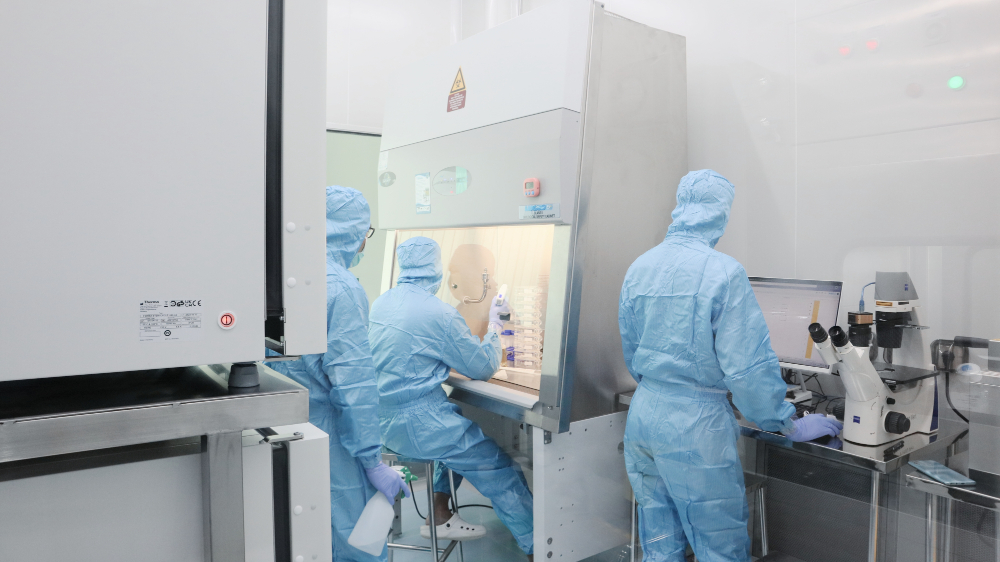
Biomedical Science focuses on the human body, biological processes, and the causes of disease. Students learn how the body works and how scientific research can support the development of healthcare knowledge, diagnostic methods, and medical technologies.
Here are some subjects commonly studied in Biomedical Science programs.
A. Cell and Molecular Biology
Students learn about cells, molecules, proteins, DNA, and biological processes related to human health. They also explore how changes at the cellular or molecular level may contribute to the development of diseases.
B. Anatomy and Physiology
Anatomy focuses on the structure of the human body, while physiology explains how organs and body systems function. These subjects provide a foundation for understanding how diseases can affect normal bodily functions.
C. Genetics and Microbiology
Genetics examines how genes can influence human health and disease risk. Microbiology focuses on microorganisms and their relationships with the human body, including their roles in infections and other health conditions.
D. Research and Laboratory Practice
Students learn how to use laboratory equipment, prepare samples, conduct experiments, record observations, and analyze research data.
They also study laboratory safety, research ethics, and methods for reading and evaluating scientific findings. These skills are useful for careers in research, product development, and healthcare technology.
How Much Does It Cost to Study Biomedical Science?
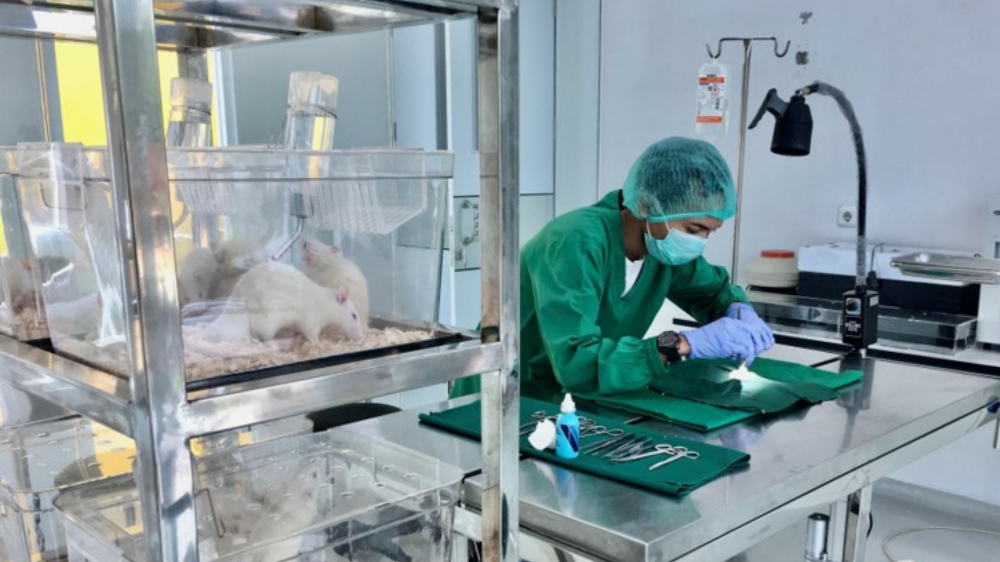
Tuition fees for Biomedical Science programs vary between universities. The total cost depends on the university's public or private status, location, curriculum, laboratory facilities, and payment policies.
Here are several factors to consider when choosing a university with Biomedical Science in Indonesia.
1. Tuition Fees at Public Universities
Public universities in Indonesia generally use the UKT system for undergraduate programs. Tuition fees depend on the university's policies and the student's assigned fee group.
In addition to tuition, students should consider other expenses, such as laboratory materials, learning supplies, accommodation, and daily living costs.
2. Tuition Fees at Private Universities
Private universities may charge an initial admission or development fee, semester tuition, laboratory fees, and other education-related expenses.
When comparing universities, do not look only at the semester tuition. Check the estimated total cost of completing the degree so you can prepare a realistic education budget.
3. Scholarships and Payment Plans
If tuition fees are a major consideration, find out whether the university offers academic scholarships, achievement-based scholarships, financial assistance, or installment payment plans.
Ask about eligibility requirements, application deadlines, scholarship coverage, and renewal conditions. This will help you choose a university that fits your academic goals and financial situation.
Conclusion
If you are looking for a university offering Biomedical Science in Indonesia, Agung Putra University (APU) is one option to explore.
APU's Biomedical Science program combines academic learning with a research-oriented approach and laboratory practice to help students understand developments in biomedical science.
Visit the APU website to learn more about the university. You can also explore the Biomedical Science program at APU for information about the program, facilities, and student admissions.