A Cultural Journey to Goa Kreo: German Exchange Students Experience Local Heritage

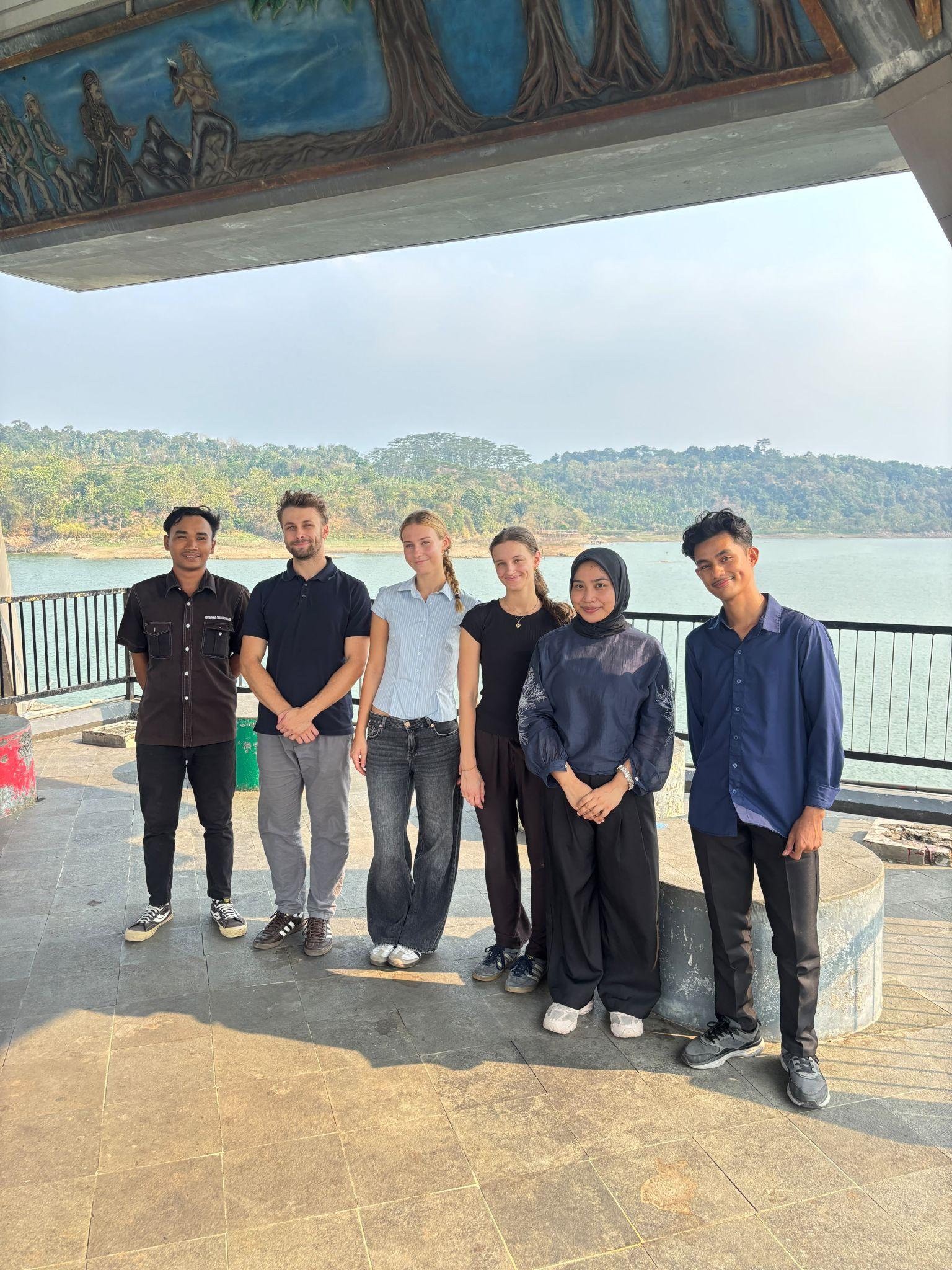
SEMARANG — As part of their international experience in Indonesia, exchange students from Albstadt-Sigmaringen University, Germany visited Goa Kreo in Semarang on September 18, 2026. The cultural visit was facilitated by the International Office of Agung Putra University (APU) as part of a community outreach and cultural exploration program.
Located in the Kandri area of Gunungpati, Semarang, Goa Kreo is known not only for its natural landscape and population of long-tailed macaques, but also for the local traditions and legends associated with Sunan Kalijaga.
Discovering the Story Behind Goa Kreo
During the visit, the exchange students were introduced to the cultural story surrounding Goa Kreo and its connection to Sunan Kalijaga. According to local legend, Sunan Kalijaga came to the area while searching for teak wood for the construction of the Great Mosque of Demak. The story also tells of his encounter with monkeys in the area, which became part of the cultural identity associated with Goa Kreo. The name “Kreo” is commonly associated with the Javanese word mangreho, meaning to care for or guard.
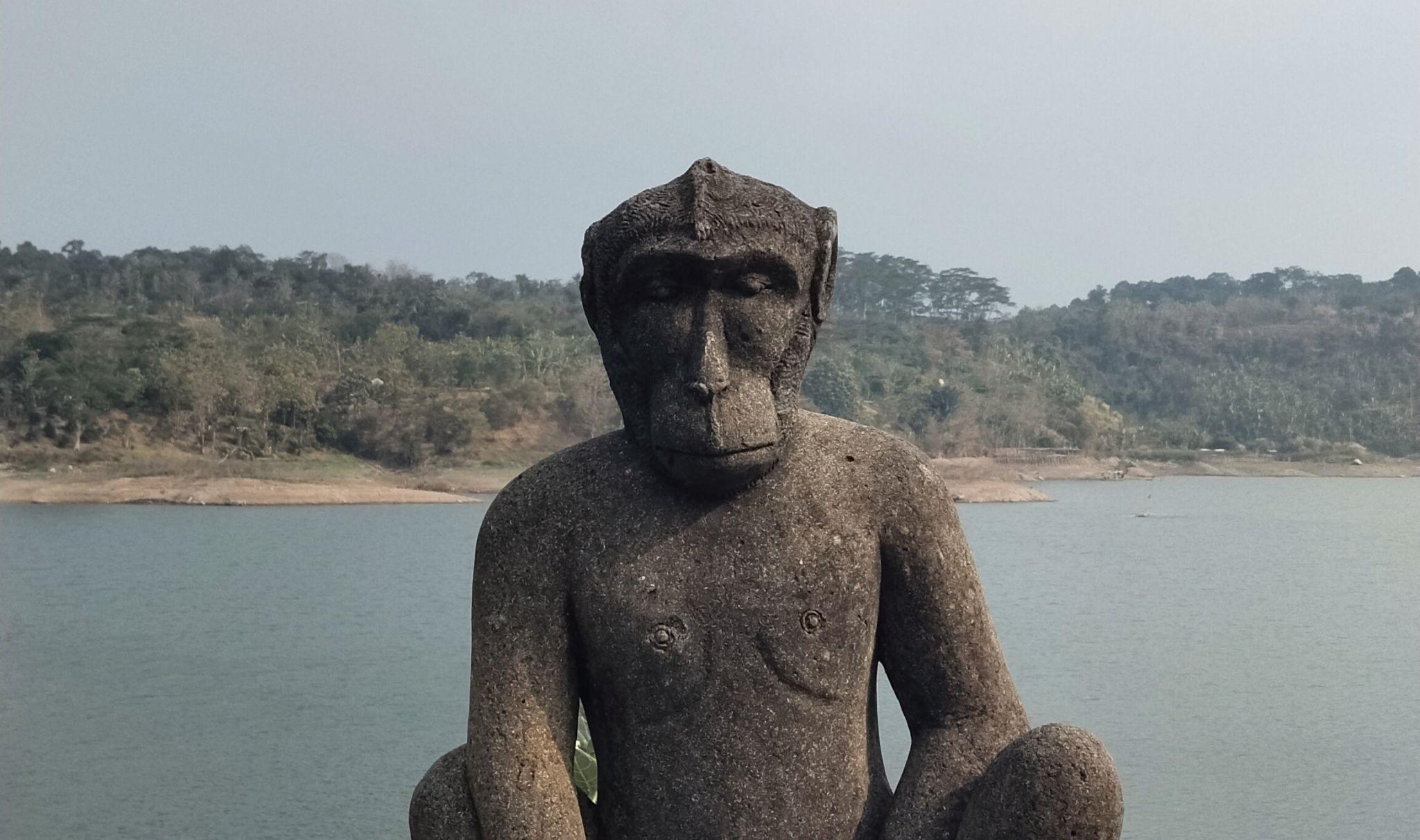
The cultural exploration introduced the students to how local history, oral tradition, and the natural environment can come together to shape the identity of a place. Goa Kreo itself is located within the wider area of Waduk Jatibarang and is home to numerous long-tailed macaques that have become one of the site's distinctive features.
“Exotic, there are many plants growing here”, said Frederick.
Learning Through Local Traditions
Another part of the cultural introduction was the Sesaji Rewanda tradition, an annual community tradition associated with Goa Kreo. The tradition involves giving food to the monkeys and is connected with local expressions of gratitude and cultural heritage. It is accompanied by a procession featuring agricultural produce and other elements of local cultural expression.
The tradition also reflects the relationship between the local community, natural environment, and cultural heritage of Goa Kreo. Through the introduction to Sesaji Rewanda, the exchange students were able to learn how traditions can be maintained and passed down as part of a community's identity.
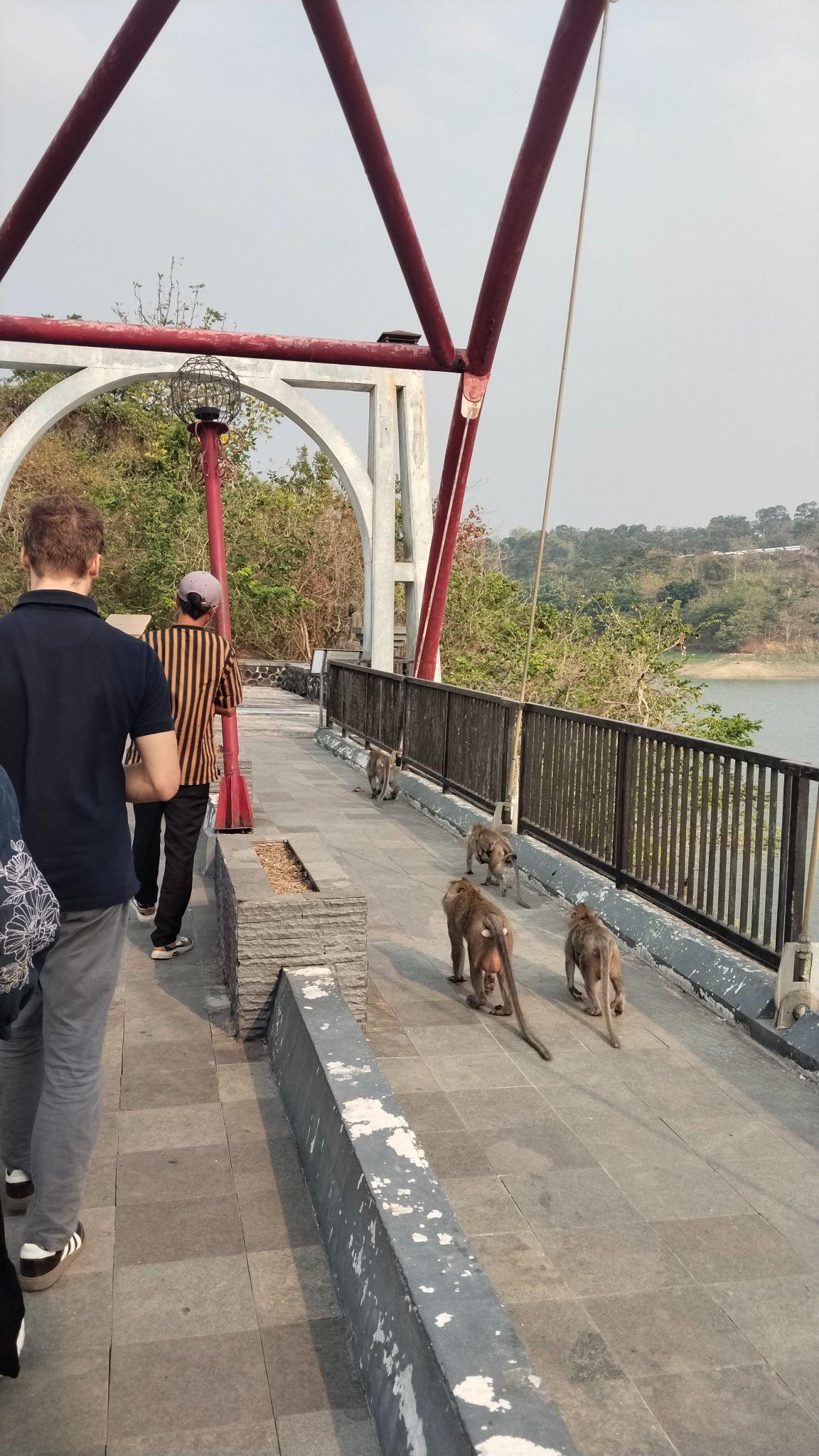
One of the memorable moments of the visit was the interaction between students and the long-tailed macaques inhabiting the Goa Kreo area. During the visit, the exchange students were provided with a box of bananas to feed the monkeys while learning about the site's practice of caring for the animals.
“It is similar to what I saw in Uluwatu, Bali.”, Mellany excitedly said.
Goa Kreo's official tourism information notes that visitors can interact with the monkeys under appropriate guidance. The wider area is also recognized by the Semarang tourism authorities for its combination of natural, cultural, and educational attractions.
The students were also introduced to the role of local tourism authorities in supporting the animals. The experience offered a closer look at how tourism, environmental awareness, and local cultural traditions can intersect within a community-based destination.
Event Gallery
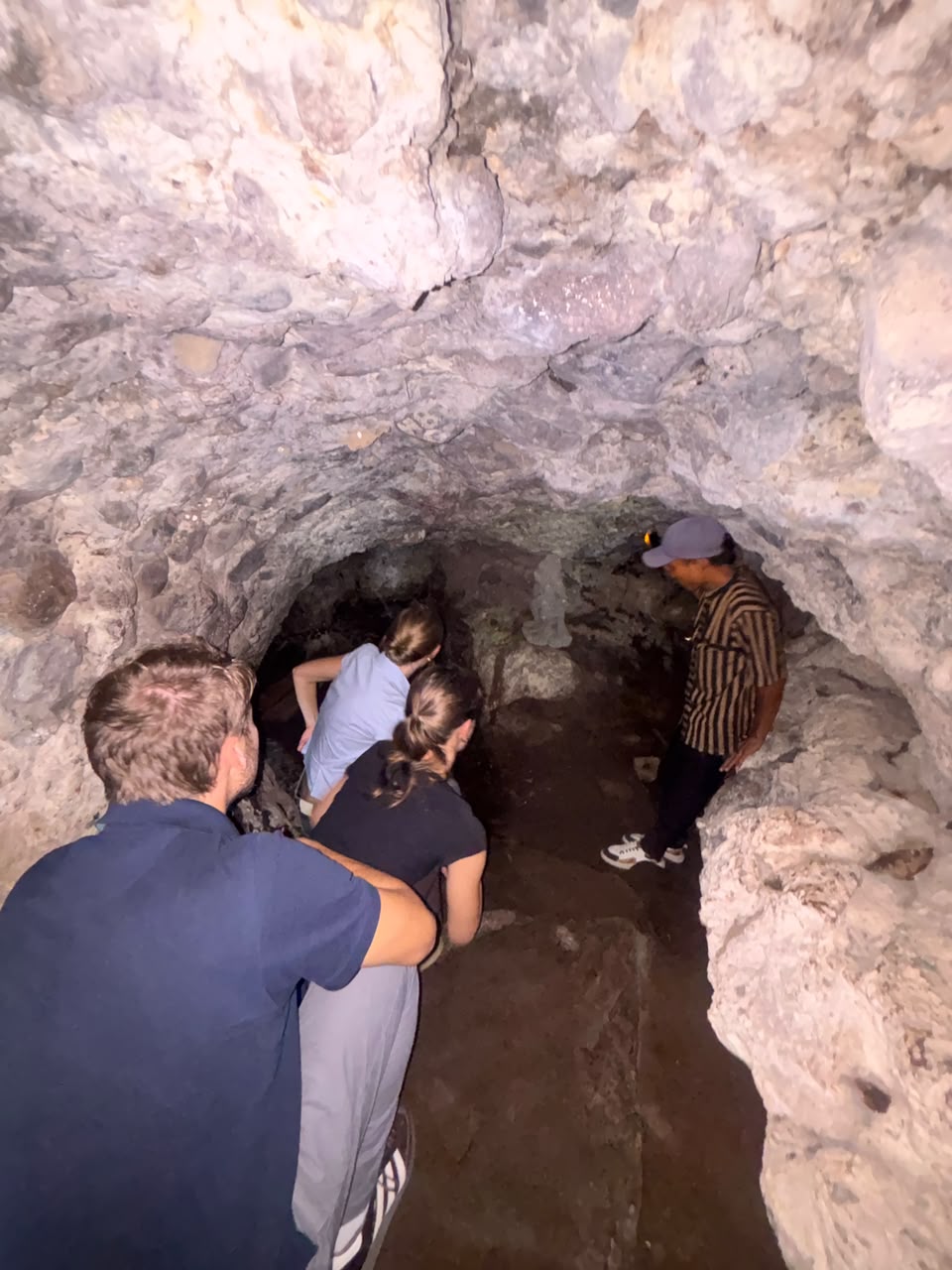 Exchange students from Albstadt-Sigmaringen University during their cultural exploration at Goa Kreo.
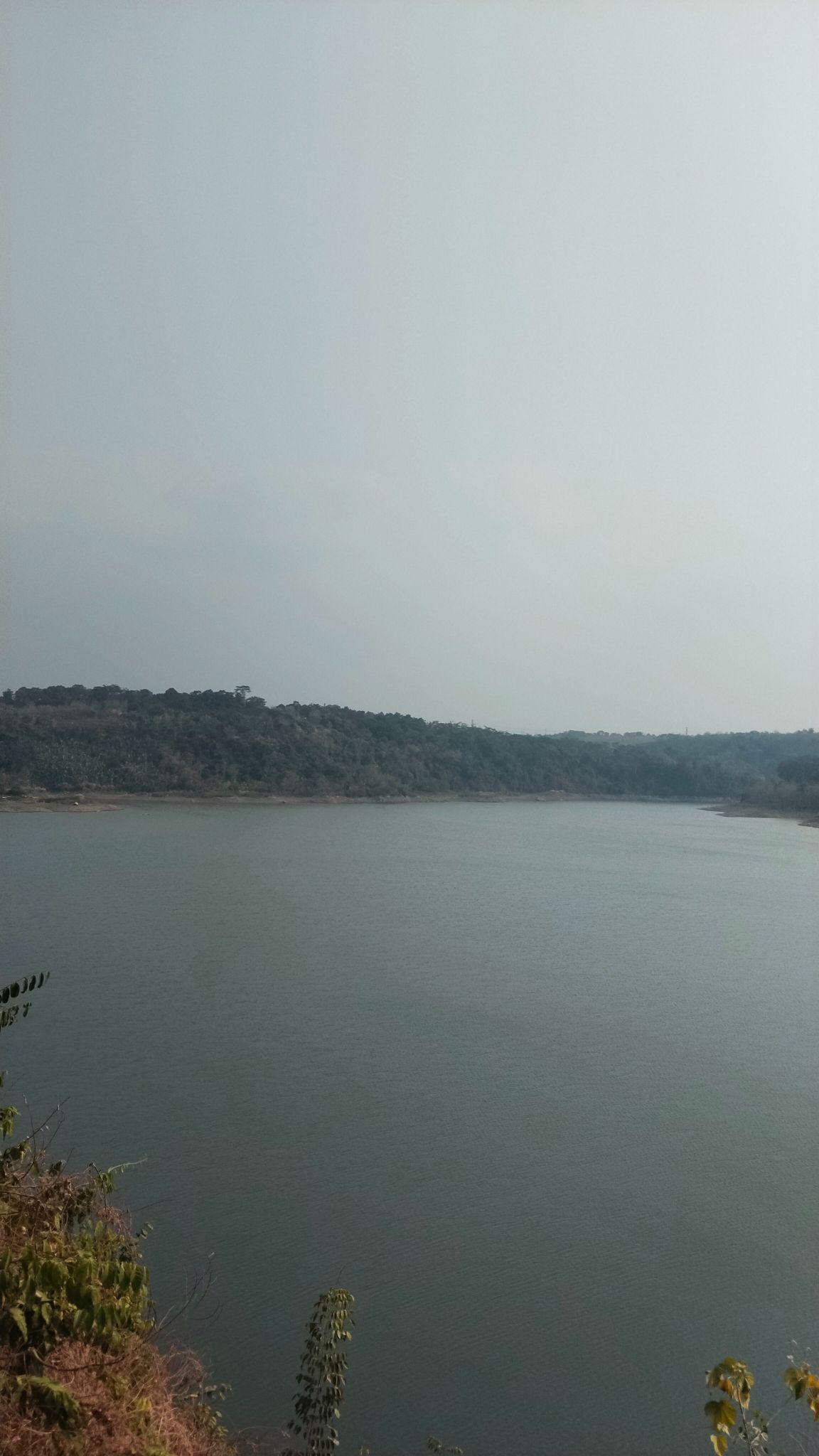 Landscape view of Waduk Jatibarang at Goa Kreo.
Written by: ANM, APU International Office
Agung Putra University