
Hiking Through History: German Students Visit Candi Gedongsongo

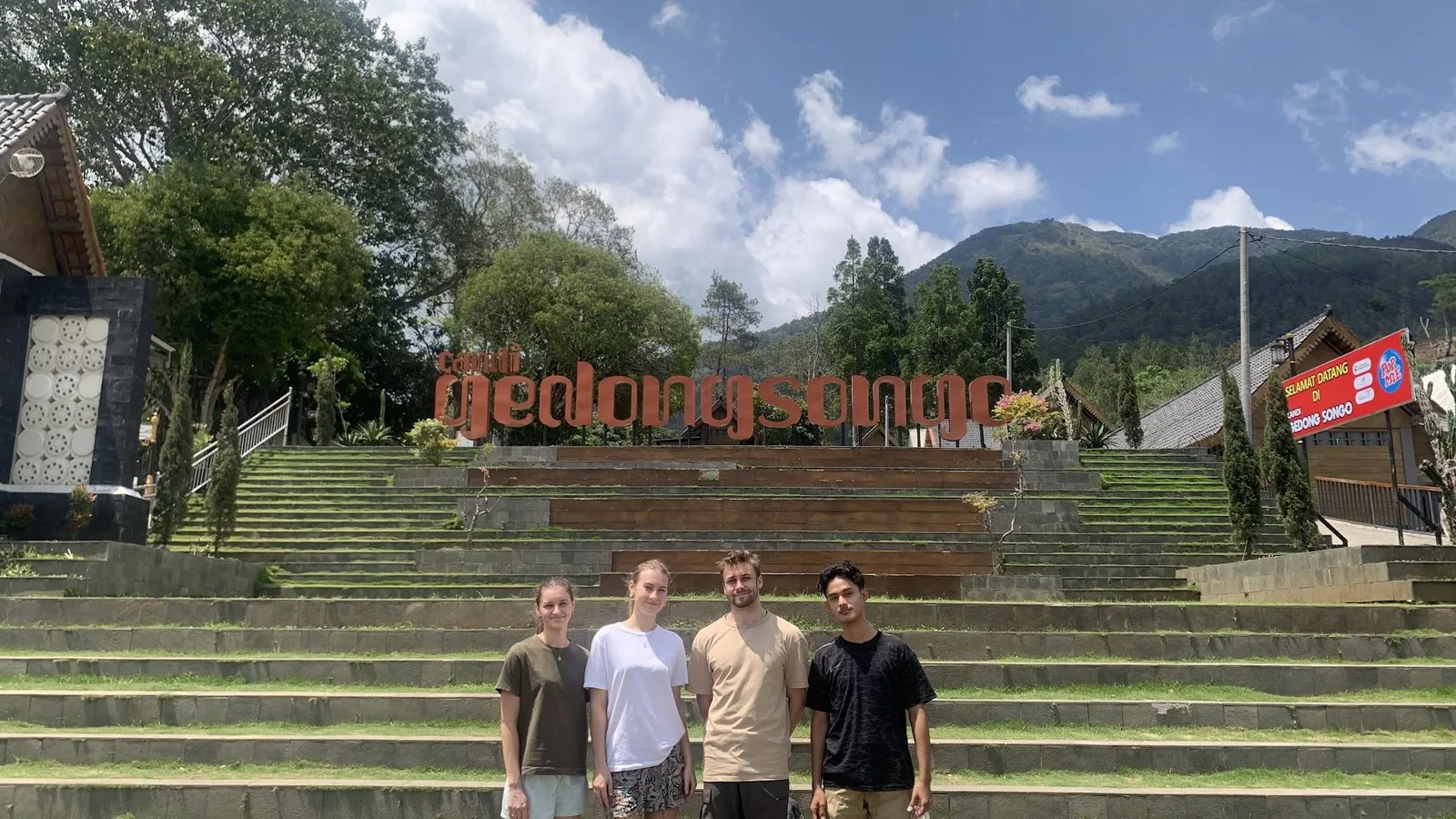
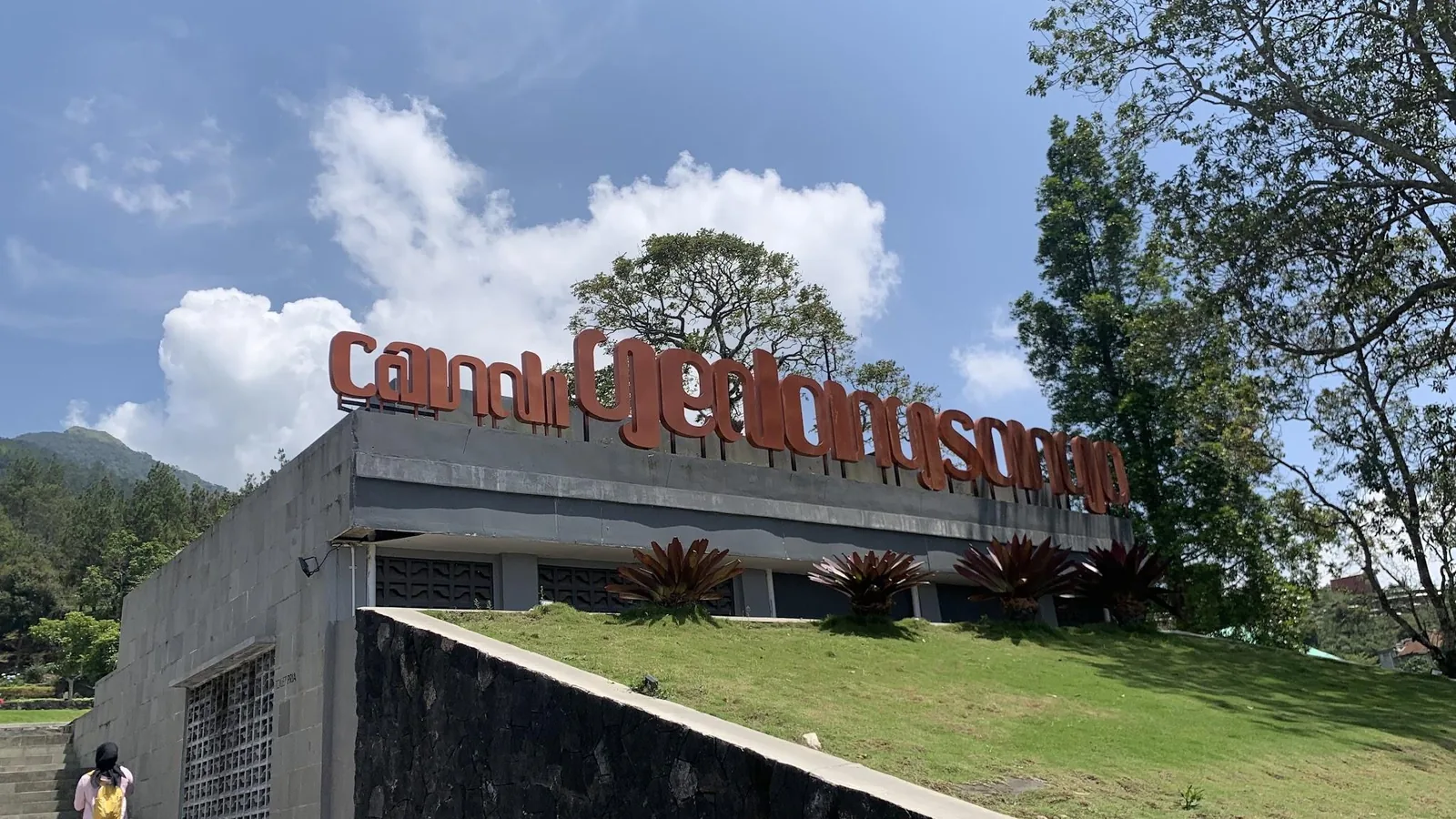
SEMARANG — Cara, Melanie and Frederick, exchange students from Albstadt-Sigmaringen University in Germany, spent Saturday, November 14, 2026, among hilltop temples at Candi Gedongsongo in Bandungan, Semarang Regency. Agung Putra University (APU) arranged the cultural exploration through its International Office.
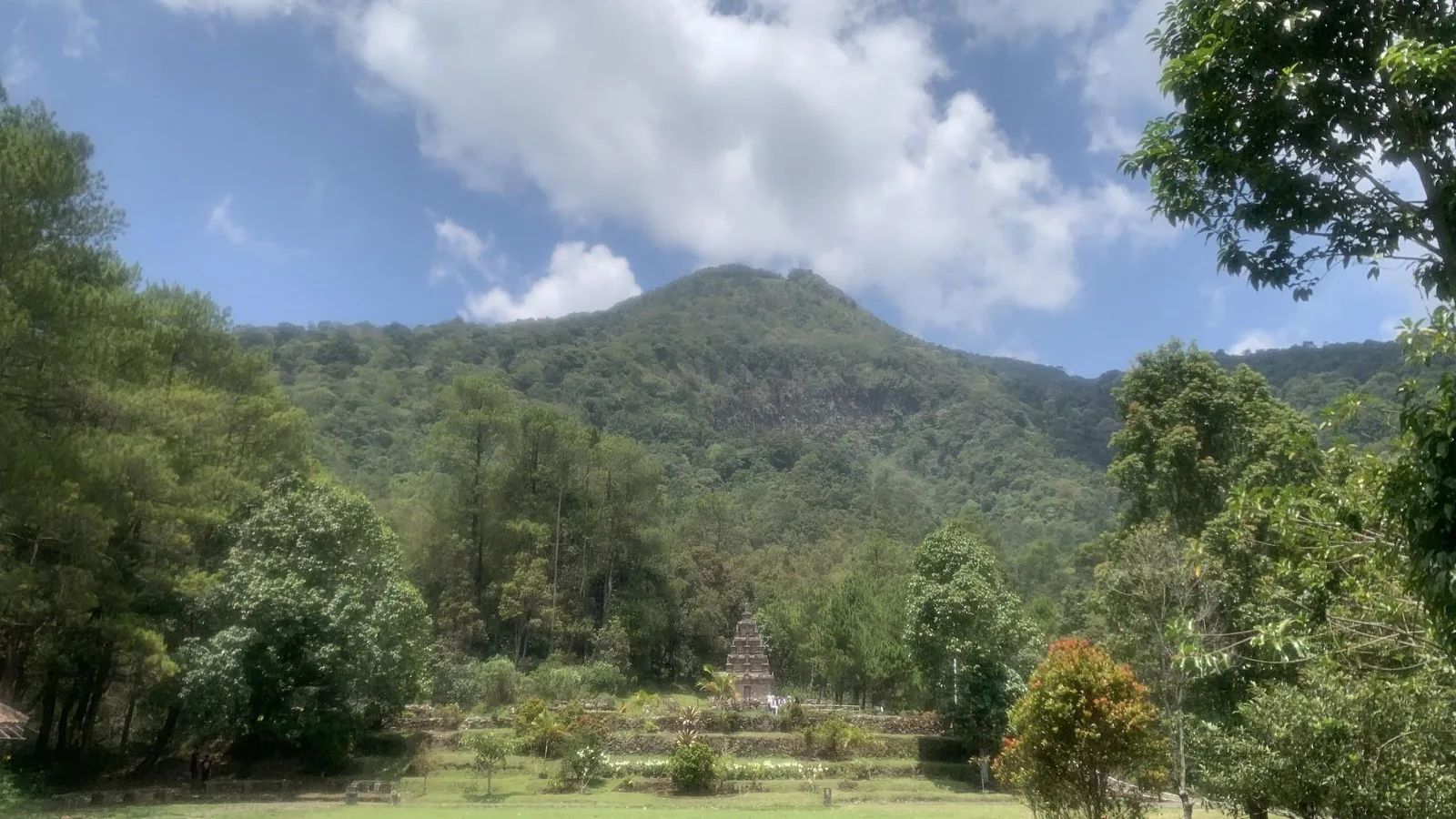
Candi Gedongsongo sits on the slopes of Mount Ungaran, roughly 1,200 to 1,400 metres above sea level. Cool mountain air greeted the students as soon as they arrived, a big change from Semarang’s heat.
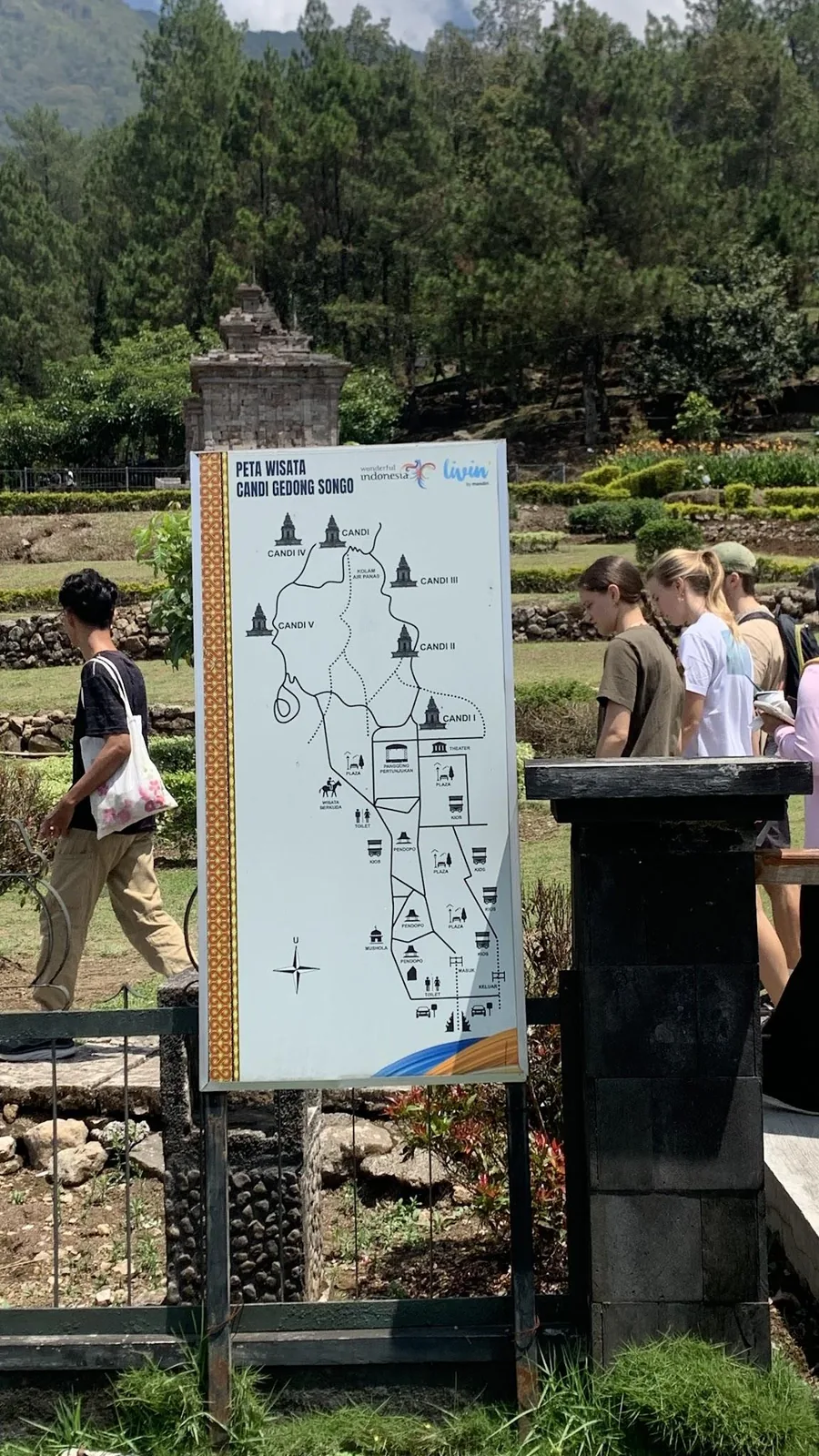
Most visitors ask the same question first: why “songo”? In Javanese, “gedong” means building and “songo” means nine, so the name points to nine groups of temples. Only five groups remain today, spread along the hillside from Gedong I at the bottom to Gedong V at the top. The students walked that route on foot..
Local history says Gedongsongo was built in the Hindu Shiva tradition, with a style close to temples on the Dieng Plateau, and dates to sometime between the 7th and 9th centuries. Each temple has three parts: a base for the human world, a body linking people and gods, and a roof for the realm of the gods. Statues of Durga, Ganesha and Agastya were also found here as figures associated with the god Shiva.
Not everyone found the climb easy. The trail kept going uphill, some of the group got tired, and Cara, Melanie and Frederick spent much of the walk cheering each other on. Short breaks, a bit of teasing and plenty of encouragement kept everyone moving.
“Come on, you can do it!” was heard more than once along the trail.
Each new temple group felt like a small win. The students stopped to take photos of carvings and look out over the valley before heading to the next one.
By the time they headed back down, tired legs were part of the story. So was a clearer picture of how Indonesia’s past still shapes places people can walk through today.
Event Gallery